Toronto homes are sitting on the market longer than they have in years. In March 2026, the average property took 47 days to sell — up from 36 days the previous spring. Prices are down nearly 7% year over year, and buyers are pickier than ever. If you're planning to list your home this year, every advantage counts.
Here's the good news: one of the most effective things you can do before listing doesn't require a massive renovation budget or weeks of disruption. Painting before selling your home in Toronto is consistently one of the highest-return upgrades a homeowner can make. Interior painting alone delivers an average ROI of 107%, and exterior painting can return over 150% of what you spend.
This guide breaks down exactly why pre-sale painting works, what it costs in the GTA in 2026, which rooms to prioritize, and what colours today's buyers actually want to see. Whether you're selling a detached home in North York, a semi in the Junction, or a condo in Liberty Village, this is the playbook for making your home show its best.
Why Painting Before Selling Is Worth It in 2026's Toronto Market
The ROI Numbers That Make Painting a No-Brainer
When you compare painting to other pre-sale upgrades, the numbers aren't even close. According to data from the National Association of Realtors, a fresh coat of paint can increase your home's value by up to 10%. Interior painting offers an average return on investment of around 107% — meaning you get back more than every dollar you put in. Exterior painting performs even better, with some estimates placing the ROI at roughly 152%.
To put that in real terms: spend $4,000 painting the interior of your Toronto home and you could add over $8,000 in perceived value at the time of sale. Spend $6,000 refreshing the exterior, and buyers may see $15,000 worth of improvement. Compare that to a kitchen renovation that costs $30,000 and might return 60–70% — painting wins by a wide margin.
Real estate agents know this. Industry surveys consistently show that the majority of agents recommend painting the interior walls before listing. It's one of the few upgrades where the math almost always works in your favour, regardless of home size or neighbourhood.
Why It Matters More in a Buyer's Market
Toronto's housing market in 2026 is firmly tilted toward buyers. The latest data from the Toronto Regional Real Estate Board shows prices averaging just over $1 million — down from peak levels — and homes are taking significantly longer to sell. New listings dropped over 16% year over year in March, which means fewer homes are competing, but the ones that are listed need to stand out.
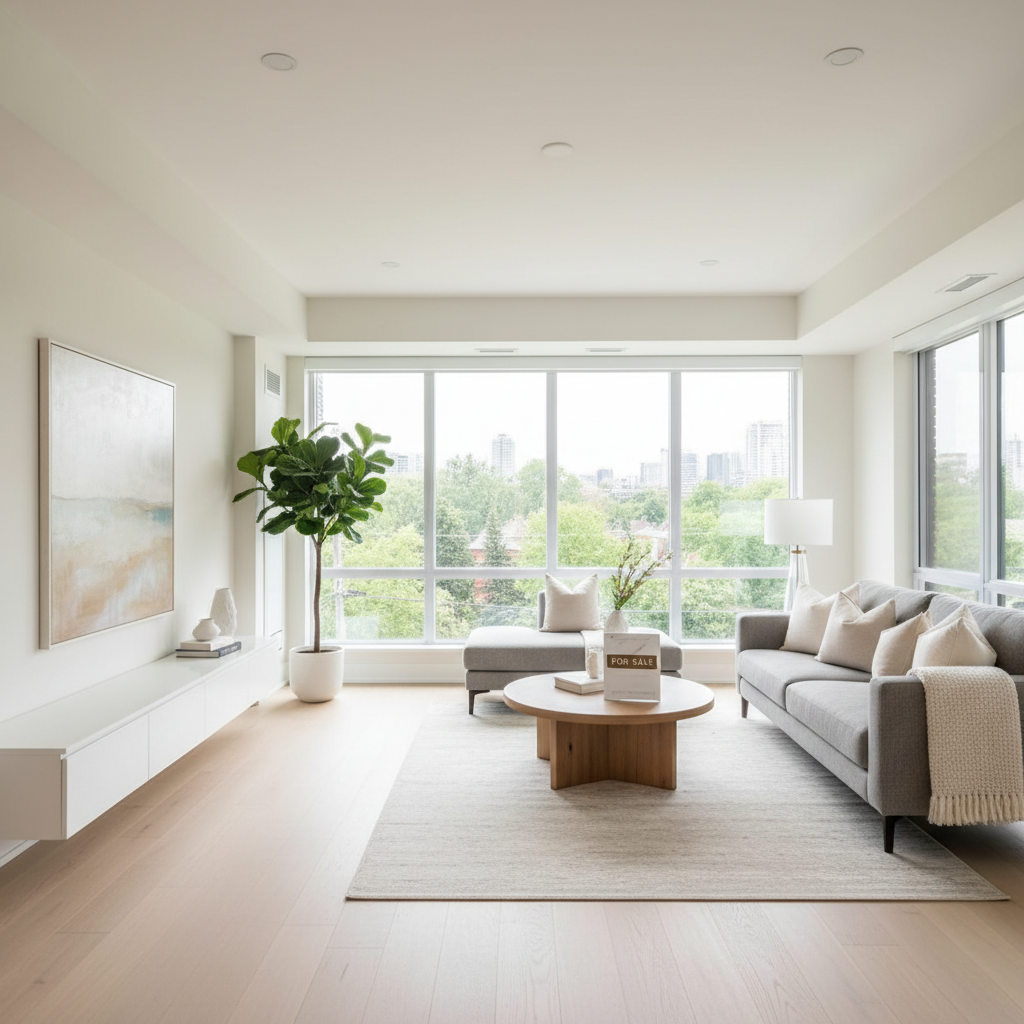
In a market like this, buyers have options. They're comparing five, six, seven properties before making a decision. A home with scuffed baseboards, faded walls, and chipped trim is going to feel "tired" next to a freshly painted competitor down the street. Painting eliminates that mental discount buyers apply when they see wear and tear — and it makes listing photos pop, which is where most buyers form their first impression.
When homes are selling for 2% below asking on average, a paint job that costs a fraction of a percent of your home's value can be the difference between landing at asking price and leaving money on the table.
What Does Pre-Sale Painting Cost in Toronto?
Interior Painting Costs by Home Type
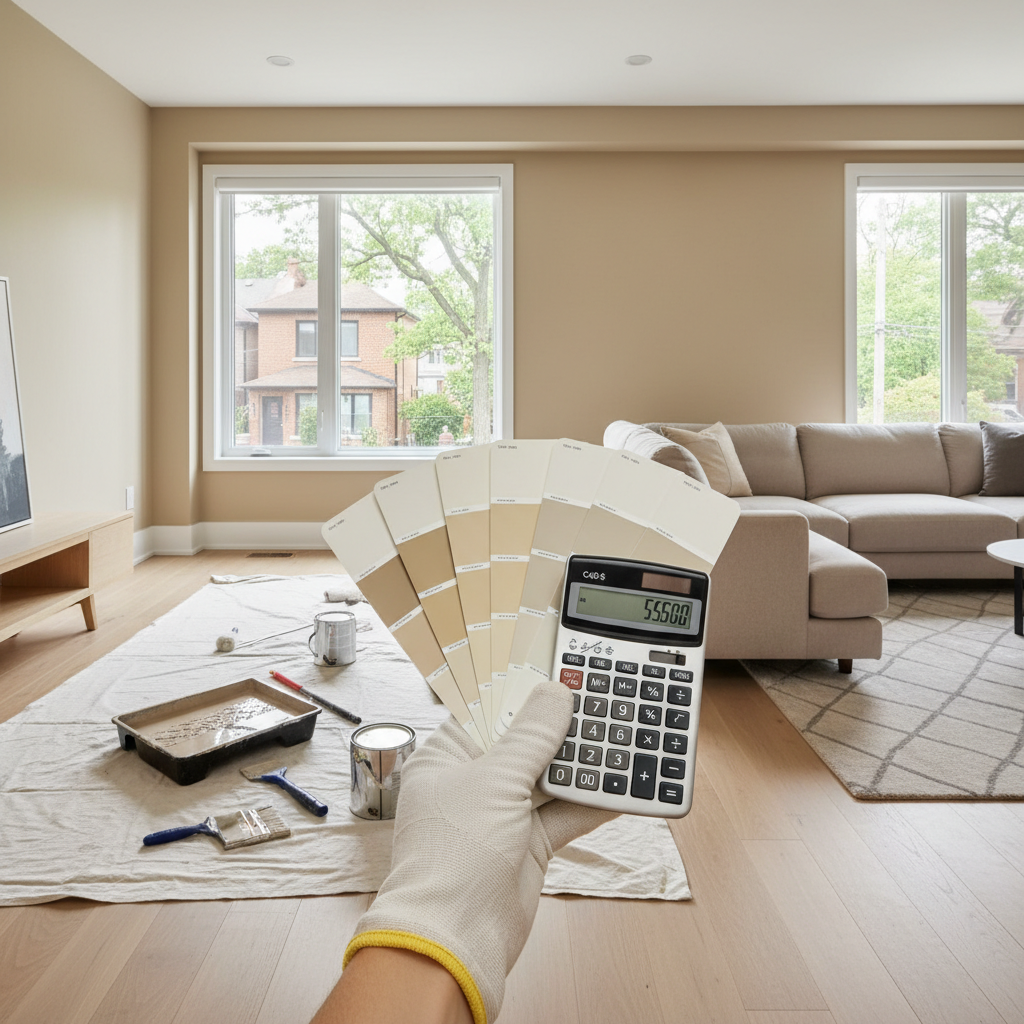
Interior painting in Toronto runs between $1.80 and $3.00 per square foot for whole-home projects in 2026. That translates to roughly $3,000 to $5,500 for a bungalow, $5,000 to $8,000 for a standard two-storey detached, and $7,000 to $12,000 or more for larger homes. Single rooms cost more per square foot — closer to $5.00 — because setup time is nearly the same whether you're painting one room or three.
The biggest cost drivers are wall condition and prep work. A home with clean drywall in good shape will come in at the lower end. A home with plaster walls, patching needs, or heavy colour changes (dark to light) will sit higher. Labour makes up 70–85% of the total cost, so the condition of your surfaces directly impacts how long the crew needs to be on site.
For sellers on a budget, you don't always need to paint every room. We'll cover which spaces to prioritize shortly.
Exterior Painting Costs and When to Include It
Exterior painting in Toronto ranges from $4,000 for a bungalow to $14,000 or more for a large two-storey detached home. Most exterior painters charge $2.50 to $5.00 per square foot of paintable surface, which includes all walls, soffits, fascia, and trim.
You don't always need to repaint the entire exterior before selling. If your siding is in decent shape and the colour is neutral, focus on high-visibility areas: the front door, window trim, fascia, and any peeling or faded sections that show up in listing photos. A front door repaint alone — costing under $200 — has been associated with significantly higher offers from buyers. Dark navy, black, and forest green are the colours that test best.
If your exterior paint is visibly failing — peeling, chalking, or showing bare wood — a full repaint is worth the investment. Buyers interpret a neglected exterior as a sign that the rest of the home hasn't been maintained either.
Which Rooms Should You Paint First When Selling?
High-Impact Spaces That Buyers Notice Immediately
Not all rooms carry the same weight in a buyer's mind. If you're working with a limited budget, focus your pre-sale painting on the spaces that show up in listing photos and create the strongest first impression during showings.
The entryway and front hallway set the tone for the entire home. This is the first thing buyers see when they walk in, and scuffed or dated walls here colour their perception of everything that follows. Next is the main living area — the living room, dining room, and open-concept kitchen space. These rooms photograph the most, and they're where buyers spend the most time imagining their life. The primary bedroom is another high-impact zone, especially in move-up homes where buyers expect a polished, retreat-like feel.
Kitchens deserve special attention. Even if you're not repainting cabinets, freshening the walls around dated cabinetry with a clean neutral tone can modernize the space significantly. If your kitchen cabinets are in rough shape, professional cabinet painting — typically $2,500 to $4,500 in Toronto — is one of the highest-impact upgrades you can make for a fraction of a full renovation.
When You Can Skip a Room
If a room already has clean, neutral walls with no visible damage, you can leave it. Buyers aren't going to ding you for a bedroom that's already painted a soft grey or warm white. Storage rooms, utility spaces, and unfinished basements rarely need attention unless they show water staining or significant wear.
Bathrooms are a judgement call. A quick coat of semi-gloss on bathroom walls is inexpensive and makes the space feel cleaner, but if the tile and fixtures are already dated, paint alone won't transform the room. Spend that money on higher-impact spaces instead.
What Are the Best Paint Colours for Selling a Home in Toronto?
Neutral Tones That Photograph Well for Listings
When you're painting before selling, colour selection isn't about your taste — it's about the widest possible buyer appeal. The colours that perform best in Toronto's real estate market are warm neutrals that make rooms feel bright, spacious, and move-in ready.
Soft whites and warm whites remain the safest choice. Benjamin Moore's Simply White, Cloud White, and Chantilly Lace are perennial favourites among Toronto stagers and agents. Greige tones — that blend of grey and beige — are also strong performers, particularly in older homes where pure white can feel stark against warm-toned wood trim. Light warm greys work well in modern homes and condos.
Avoid bold or highly saturated colours. A deep red accent wall or bright yellow kitchen might reflect your personality, but it signals "work to do" to a buyer. The goal is to create a blank canvas that lets buyers project their own vision onto the space. Every listing photo should feel light, clean, and inviting.
Finishes That Work for Different Rooms
The finish you choose matters almost as much as the colour. Eggshell is the go-to for living areas and bedrooms — it reflects enough light to photograph well while hiding minor wall imperfections. Satin works best in kitchens, bathrooms, and high-traffic hallways because it's more washable and holds up to moisture. Semi-gloss is the standard for trim, baseboards, and doors — it gives a crisp, clean edge that frames the room.
One detail that separates a professional pre-sale paint job from a DIY attempt: crisp white trim throughout. Fresh trim paint against neutral walls makes the entire home feel polished and intentional. Buyers notice this, even if they can't articulate why the home feels "done."
Should You Hire a Professional Painter or DIY Before Selling?
Where DIY Falls Short on Resale Homes
Painting your own home before selling might seem like an easy way to save money. But when the goal is maximizing your sale price, the quality gap between a DIY job and a professional finish is hard to ignore.
Professional painters deliver two things that are difficult to replicate on your own: speed and precision. A crew of two can paint a full two-storey interior in three to five days. That same project would take a homeowner two to three weekends — weeks that could delay your listing during a narrow spring or fall market window. More importantly, professionals handle prep work that amateurs often skip: patching nail holes, caulking gaps between trim and walls, sanding rough spots, and priming stains. These details are what separate a paint job that looks "fine" from one that makes buyers feel the home has been genuinely cared for.
DIY mistakes — roller marks, uneven coverage, paint on trim, sloppy cutting in — actually hurt your listing. Buyers and their agents spot amateur paint work quickly, and it raises questions about what other corners have been cut.
What to Look for in a Pre-Sale Painting Contractor
When hiring a painter for a pre-sale project, look for a contractor who understands the goal isn't just applying paint — it's preparing your home to sell. The right painting contractor will recommend neutral colours with broad buyer appeal, identify the highest-impact areas to focus your budget, and work on a timeline that fits your listing schedule.
Beyond that, the basics matter: proper insurance and WSIB coverage, a written fixed-price quote with a clear scope of work, references from past clients, and a realistic timeline. In Toronto, be especially wary of quotes that seem too low — cheap often means one coat, no prep, and a crew that disappears mid-project. A good painting contractor should walk through your home in person before giving you a number.
How Far in Advance Should You Paint Before Listing?
Timing Your Paint Job Around the Toronto Listing Calendar
The ideal window for pre-sale painting is two to four weeks before your listing goes live. This gives the paint time to fully cure, allows any touch-ups to be completed, and lets you stage the home without worrying about damp walls or lingering odours — even with low-VOC paints.
If you're listing in the spring (the traditional peak in Toronto), book your painter in February or early March. The best crews fill up fast once the spring rush begins, and waiting until April may push your project — and your listing — into a more competitive window. For fall listings, September painting gives you a clean home ready for October and November showings.
One timing tip that saves money: if you're also planning to stage, paint before the stager brings furniture in. Painting an empty home is 20–30% faster and cheaper than working around furniture, and the results are cleaner. Coordinate with your agent and stager so the painting crew goes in first, followed by staging, followed by photography.
Don't paint the day before your listing photos. Allow at least 48 hours for the final coat to cure, and make sure windows can be opened to clear any residual paint smell. Your listing photos should capture a home that looks and feels fresh — not one that smells like a construction site.
Ready to Get Your Home Sale-Ready?
In a Toronto market where every showing matters and buyers are scrutinizing every detail, painting before selling your home is the smartest money you can spend. The ROI is proven, the turnaround is fast, and the visual impact is immediate — in listing photos, during showings, and in the offers that follow.
Focus your budget on the spaces buyers notice first: the entryway, main living areas, primary bedroom, and kitchen. Choose warm, neutral colours that photograph well and appeal to the widest audience. Hire a professional who understands pre-sale work and can turn your home around on your listing timeline.
DC Painting & Services has been helping Toronto and GTA homeowners prepare their homes for sale for over 10 years. We know what buyers want to see, we work on your timeline, and we deliver the kind of finish that makes agents and stagers smile. Get your free quote today and let's make your home show its best before listing day.