Why Toronto's Climate Makes Exterior Painting Crucial
Toronto experiences some of Canada's most demanding weather conditions - from frigid winters with freeze-thaw cycles to hot, humid summers. Your home's exterior paint isn't just about aesthetics; it's your first line of defense against the elements.
Understanding Toronto's Weather Impact on Exterior Paint
Winter Freeze-Thaw Cycles
Toronto's winter temperatures fluctuate around freezing, causing moisture to expand and contract in wood and masonry. This can crack paint and damage surfaces if not properly protected. Environment Canada's historical data shows Toronto averages over 50 freeze-thaw cycles per year — one of the highest rates in the country.
Summer Heat and UV Exposure
Intense summer sun fades colors and degrades poor-quality paint. South and west-facing walls take the most punishment. According to the Painting and Decorating Contractors of America (PDCA), UV radiation is the single largest factor in exterior paint degradation, breaking down resin binders and causing chalking.
Humidity and Precipitation
Toronto receives significant rainfall and humidity, especially in summer. Proper paint selection prevents moisture penetration and mildew growth.
Best Time for Exterior Painting in the GTA
The ideal window for exterior painting in Toronto is May through September, with peak conditions in June, July, and August.
Temperature Requirements: We need consistent temperatures above 10°C (50°F) for proper paint adhesion and curing. Benjamin Moore's application guidelines recommend painting when air and surface temperatures are between 10°C and 32°C.
Dry Weather: At least 24-48 hours of dry weather before and after painting is essential.
Book Early: Toronto's short painting season means professional contractors fill up quickly. Book your project in early spring for summer completion.
Choosing Exterior Paint for Toronto Homes
Premium Brands Make a Difference
We exclusively use Benjamin Moore and Sherwin Williams exterior paints formulated for Canadian climates. These provide:
- Superior adhesion in temperature variations
- Excellent resistance to cracking and peeling
- Advanced mildew resistance
- UV protection that prevents fading
- Breathability to prevent moisture trapped under paint
Paint Type by Surface
Wood Siding: 100% acrylic latex paint offers the best flexibility to move with wood expansion and contraction through seasonal temperature changes.
Stucco and Masonry: Elastomeric or masonry-specific paints handle surface movement
Fiber Cement: Acrylic latex paints designed for composite materials. James Hardie, a leading fiber cement manufacturer, recommends 100% acrylic exterior paint for their products.
Trim and Details: Semi-gloss or gloss finishes for durability and easy cleaning
The Exterior Painting Process
1. Power Washing (Essential First Step)
Professional power washing removes years of dirt, mildew, chalky paint, and pollutants. This step is non-negotiable for proper paint adhesion.
2. Surface Inspection and Repair
We identify and repair:
- Rotted wood that needs replacement
- Cracks in stucco or masonry
- Loose or damaged siding
- Gaps that need caulking
3. Scraping and Sanding
Loose and peeling paint must be completely removed. Surfaces are sanded smooth for even paint application.
4. Caulking and Sealing
All gaps, seams, and joints are properly sealed to prevent water infiltration - crucial for Toronto's wet weather. The Canada Mortgage and Housing Corporation (CMHC) emphasizes that proper sealing and caulking is one of the most important steps in protecting a home's exterior envelope.
5. Priming
Bare wood, repaired areas, and dramatic color changes all require primer for optimal results.
6. Paint Application
Two coats minimum, applied in proper weather conditions with appropriate techniques.
How Long Will Exterior Paint Last in Toronto?
With proper preparation and premium materials:
- Wood siding: 7-10 years
- Stucco: 10-15 years
- Brick (painted): 15-20 years
- Fiber cement: 15-20 years
- Trim and doors: 8-12 years
Regular maintenance (washing, touch-ups) extends these timelines.
Signs Your Toronto Home Needs Exterior Painting
- Peeling or bubbling paint
- Faded or chalky surfaces
- Cracks exposing bare wood or substrate
- Mildew or mold growth
- Caulk gaps or failures
- Dated colors affecting curb appeal
ROI: Does Exterior Painting Increase Toronto Home Values?
Yes! Exterior painting offers one of the best returns on investment. The National Association of Realtors (NAR) consistently ranks exterior paint among the top renovations for cost recovery — often returning 50-100% of the project cost at resale.
- Significantly improves curb appeal
- Protects structural elements from weather damage
- Makes homes more attractive to Toronto buyers
- Fresh paint suggests well-maintained property
Common Toronto Exterior Painting Mistakes to Avoid
Painting Too Early/Late in Season: Temperature matters more than the calendar
Skipping Prep Work: Industry estimates suggest roughly 80% of exterior paint failures trace back to poor surface preparation, not paint quality.
Choosing Paint by Price Alone: Cheap paint costs more long-term
Ignoring Toronto's Humidity: Paint needs proper curing time
DIY on Multi-Story Homes: Safety and quality require professional equipment
Why Choose DC Painting for Your Toronto Exterior Project
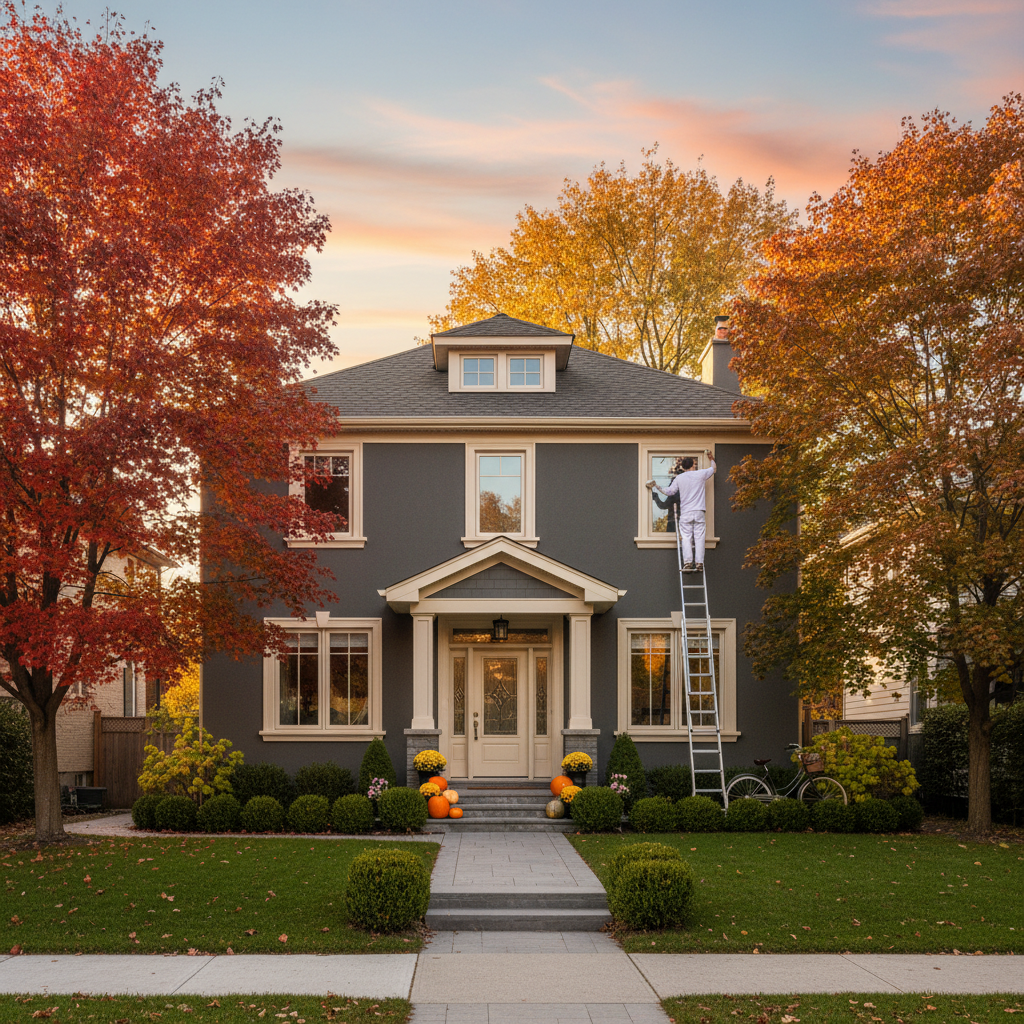
With 10+ years serving Toronto and the GTA, we understand local climate challenges, building styles, and homeowner needs. We use only premium materials, never skip preparation steps, and deliver results that protect and beautify your home for years to come.
Contact DC Painting today for a free estimate on your Toronto exterior painting project.